No matter how you feel about them, The Rules have some truths about cycling, and life, worthy of consideration. I'll admit, I don't follow all the rules, I am not a Velominatus, but I do subscribe to some of the ideals that it represents, both on the bike and off.
When you look at the real intent of the rules, you see it's really about being committed. In cycling, there's a certain aura, even mystique, to being a roadie; reading these rules you can see that. From color matching on the bike and color-coordination in the kit (clothes), to well-tended tan lines, using kilometers (instead of miles), and only allowing espresso and macchiato (instead of coffee or lattes).
I also suppose you're only allowed to take dainty sips from white china with your pinkie finger out while holding the tea plate in your other hand underneath.
 |
| I suppose it's ok to use plastic if you're on the team bus prepping for the next stage. |
Side note, if you ride / race and don't drink coffee, 1) more power to you; and, 2) you should.
Deep down, the rules aren't just about cycling; they're about life.
As the Rules say...
...it's all about looks. Appearance is everything in road cycling, and many roadies will quickly rate those around them by how closely others tend to their appearance; the better kept a cyclist is, the more they follow the written and unwritten rules of form and fit, the more respect they get.
Rule 7: Tan lines should be cultivated and kept razor sharp.
The ring of lighter-colored skin above the deeply-set tan earned through hundreds of hours outdoors on the bike: it's unattractive, and looks unkempt.
This can be hard, even for people like me, as kit can vary in fit, but there's also a practical reason to keep tan lines sharp: burns. There's nothing worse than having a perfect tan line at the bottom of the shorts with a quarter-inch burn ring just above it. It hurts, and it looks terrible.
Rule 8: Saddles, bars, and tires shall be carefully matched.
 |
| Isn't she beautiful? |
I cringe whenever I see a bike with different color tires, wheels that don't match or are the wrong color for the frame or tires, bright bar tape that doesn't match the palette of the frame. It's like seeing a car with different wheels on it; the owner simply doesn't keep up with maintenance or doesn't pay attention to details.
Rule 33: Shave your guns.
Let's be honest: there's always tells; at a bicycle ride hairy legs is one of them. I'll be the first to admit there are some strong, talented, hairy-legged (ew) people out there; I didn't shave my legs until I finally got serious enough to buy a real bicycle, and that was only 3 years ago. But, in general, hairy legs means quick dismissal.
Rule 53: Keep your kit clean and new.
This really speaks for itself. Dirty clothes are dirty (and look dirty). Clothes wear out. Don't let your inability to maintain a wardrobe result in you looking sloppy.
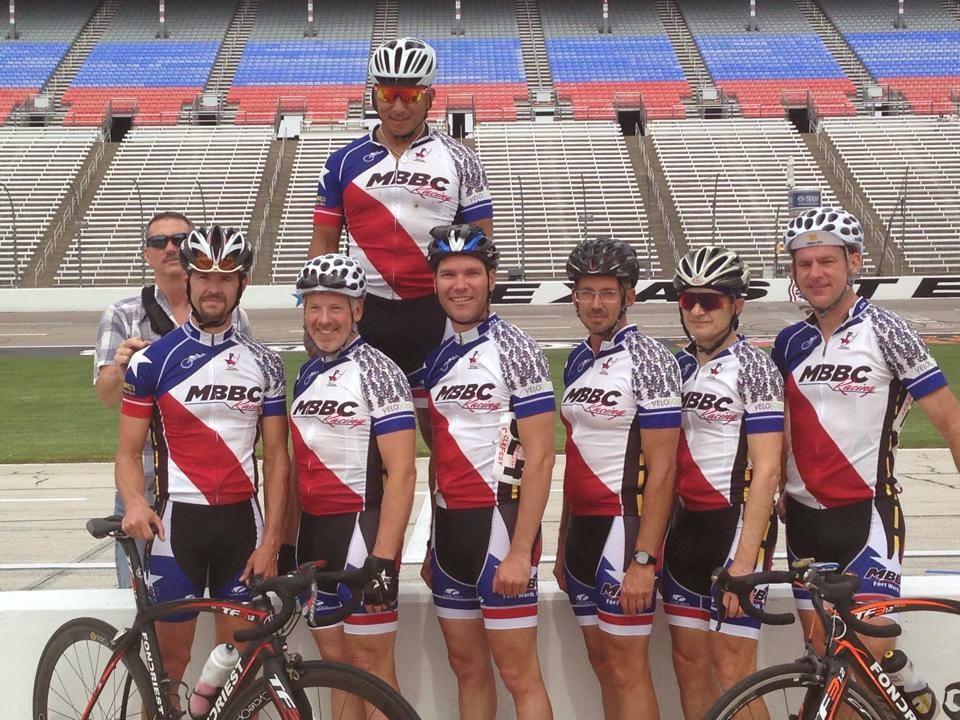 |
| Looking Pretty. |
On the surface these rules can seem unfair, and even a little bit prejudiced. By my experience, however, it's also generally true: you can judge a cycling book by its cover.
The rule really is this: always look better than you have to. Cyclists may take this in a certain direction, setting specific rules to maintain a mystique, but in the end it's really about representing yourself in the most positive light.
Whether it's mismatched kit or a novice-level knot on a tie, never forget that appearances count. Look good, and you'll be received well. Look good, and you may have the opportunity to do well.
Another aspect of the rules...
...is about being a positive contributor. Cycling, and life, is full of people who don't contribute, don't bring light to the life around them.
Rule 67: Do your time in the wind.
No cyclist likes wheelsuckers, people who use the draft solely to their benefit without making a contribution. Cyclists especially detest wheelsuckers who do so then take off in the dwindling miles to leave behind the people who did all the work.
We all know wheelsuckers, people who only work to grab the coattails of someone else's successes. We even know a few who have made an art of sprinting ahead of hard working people to claim completion and credit.
Earn what you receive. Do your time in the wind.
Rule 19: Introduce yourself
Although this is a little about networking, it's a little more about joining existing social networks. Joining an existing club ride can be very daunting, especially for a new cyclist; and even for veteran riders there's plenty of pitfalls.
Take the time to introduce yourself. Learn who the group is, and who the primary people are - who the leaders are. Learn the rules, and follow them.
Rule 43: Don't be a jackass
As a common group, cyclists share a common perception from others. It's absolutely critical that we think of what our actions may mean for the greater community. What we do could come around to haunt someone else, whether it's immediate response to something we do or adding to pent-up emotion that results in someone's action later.
This is true in all things. Be respectful of those around us, treat people fairly - as they would want to be treated. Earn karma, and help others pass it along.
Finally, the last bit of advice from the Rules...
...is about commitment and dedication. Like in life, cycling will only give what you put in, and sometimes you have to put in a hell of a lot more than you're going to get out - pay it forward.
Rule 10: It never gets easier, you just go faster.
Training to get faster, to get stronger, never gets easier; in fact, the effort and regiment necessary to gain becomes greater and greater as your capability grows. You may get out of training what you put in, but the returns decrease over time - faster by smaller and smaller increments.
You have to build a system in which to grow, and you have to dedicate to that system in order to get anything out of it. Life never gets easier, you just gain more experience and knowledge to deal with it.
Climbing a hill is like wrestling a gorilla. You don't stop when you get tired. You stop when the gorilla gets tired.
Rule 9: If you're out riding in bad weather, it means you're a badass. Period.
Riding in the cold, wind, rain, snow (or some combination) is the sign of insanity - or complete dedication. It's not about passion, it's about commitment.
 |
| A rainy 42F in February, and we're racing |
Such as it is in life. It's not always bright skies, warm days, light winds; more often than not life throws in a challenge we must surmount. Whether it's 100F+ temperatures, 30mph winds, or changes at home or at work that rock the boat of our lives, it's those that get out there with a smile and dedication to move forward that will ultimately gain and grow for the experience.
Rule 93: Descents are not for recovery. Recovery Ales are for recovery.
Reaching a peak doesn't mean the end of the road (except in mountaintop finishes, but even then typically the race goes on the next day). The race continues, and the descent off the top is no time to stop putting in the effort to stay ahead of the pace.
Success starts early, even immediately following success. Don't relax; use each pinnacle to drive for more, perhaps higher opportunities. There will be time to recover and prepare for the next chase, be sure to wait until that opportunity comes before starting to relax.
Rule 64: Cornering confidence increases with time and experience:
This pattern continues until it falls sharply and suddenly.
Falling on a bicycle sucks, well and truly, and nothing does more to shatter riding confidence than to have a major wreck. Unfortunately, they happen, sometimes because of our own confidence, and sometimes because the world is a difficult place.
 |
| ...and this is going to suck. |
We all suffer failures, on the bike as well as the lesser parts of life. Physical wounds from these failures take time to heal; challenging ourselves to outperform our past will help heal our mental injuries, and only through that will we begin again to gain and grow.
Rule 5: Harden the F**k up (HTFU)
Cycling is hard. You're in a pack, halfway up a climb. 45 miles in, 17 to go. The pace has been brutal, and even now the tempo is painful as you work the sustained 8% grade. Your legs are screaming so loud you can't hear your own breathing over the sound.
Through the fog...you see it. The head flick. The glance over the shoulder. Then it happens, someone attacks. A moment passes, then someone chases. From within the oxygen-deprived, heart-pounding, lactic acid-fueled haze, the voice: chase, or lose.
This is absolutely not about "getting over it." You don't get over it, but you do have to bear it.
Opportunities don't only come when you're prepared to chase them. Sometimes you have to grit your teeth and work through the pain of failure, loss, and hard work to grab on to something truly valuable.
Life is hard. You just need to be harder.
But, really, it comes does to one thing in the end:
It doesn't matter how fast you go...you must never give up.
Progress is progress. I've hit the wall so hard I could barely balance on the bike for how slow I was moving; many of us have. We just have to keep going and we'll eventually get there - where ever there may be.
And that's how it is. You don't have to chase every break, you don't have to always be at your best. You don't always have to be primped and polished, and you don't always have to have a smile on your face.
You do have to keep moving. It's only through that effort that you'll find yourself in a different, hopefully better place.
And remember Rule 4: It's all about the bike.
